Publicado el 24 abril, 2024
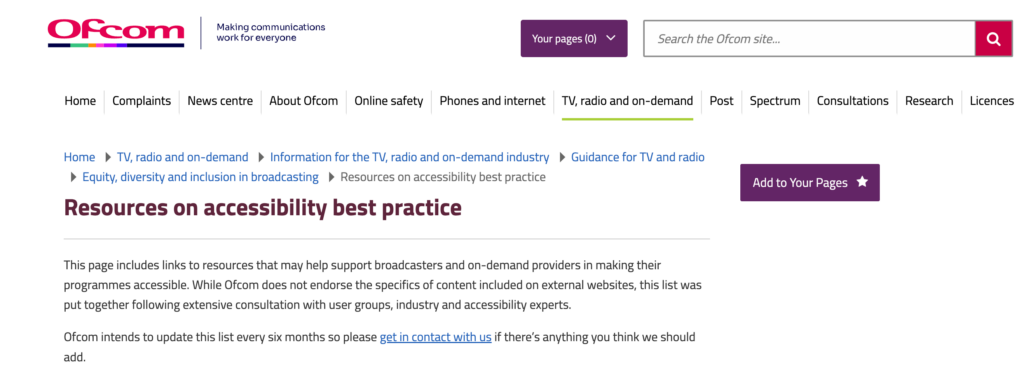
At miCINEinclusivo we are focused on making culture more accessible to all. As part of our ongoing commitment to creating inclusive audiovisual content from the source, we are pleased to announce that the UK Office of Communications (Ofcom) has recognized our work by including us in their recent Guidelines on Providing Television and On-Demand Access Services, highlighting us as an example of best practice in accessibility.
Continuar leyendo «miCINEinclusivo is recognized by the UK Office of Communications (Ofcom)»
Publicado el 4 marzo, 2024
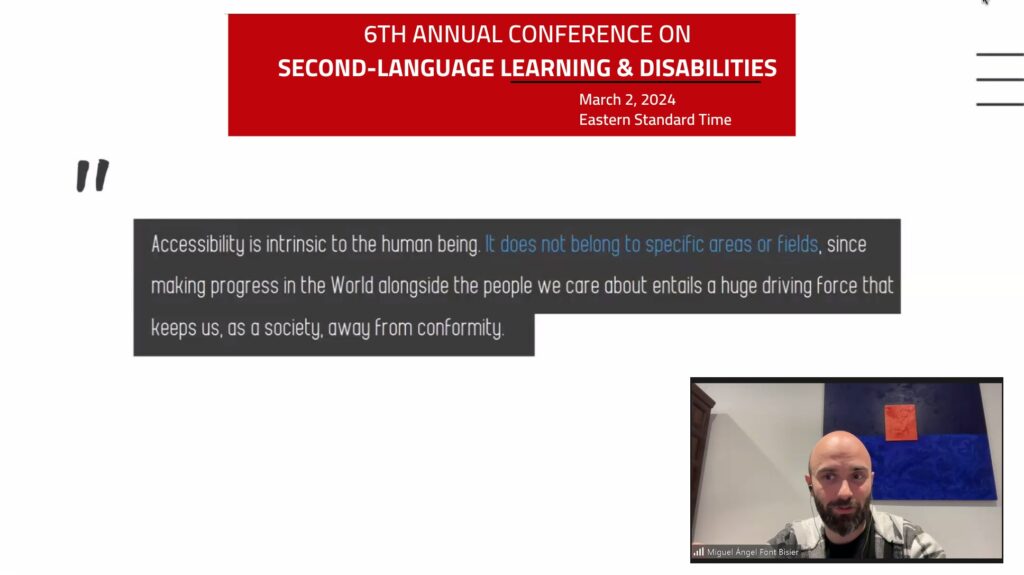
Last Saturday we were invited by the Boston University to give a lecture in the 6th Annual Conference on Second-Language Learning & Disabilities. As you may check on previous blog articles, it’s not the first time we take part in this wonderful conference, and this year we prepared a very special talk titled «Universal Design Learning in Action: A Filmic Approach to Language Learning».
Continuar leyendo «Conference at Boston University: Universal Design Learning in Action for Inclusive Filmmaking»
Publicado el 12 diciembre, 2023
Publicado el 11 diciembre, 2023
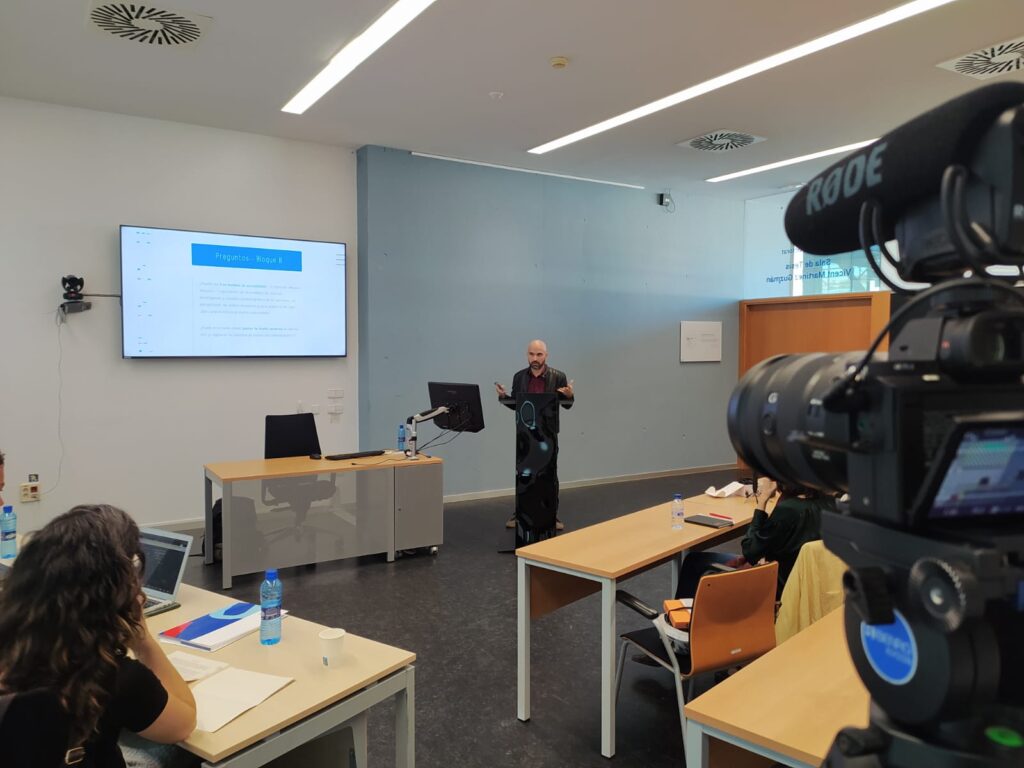
After defending our doctoral thesis «Inclusive cinema: context, methodology and praxis«, the jury has published its final grade.: outstanding cum laude!
This is the result of many years of hard work, dedication and passion for our research topic. We want to thank our supervisor, our colleagues, our family and friends for their support and encouragement throughout this journey. We also want to acknowledge the institutions that made this project possible. Our thesis contributes to the field of cultural inclusion by developing a novel of film production.
Continuar leyendo «Our doctoral thesis was awarded the highest mark: Excellent cum laude!»
Publicado el 6 diciembre, 2023